
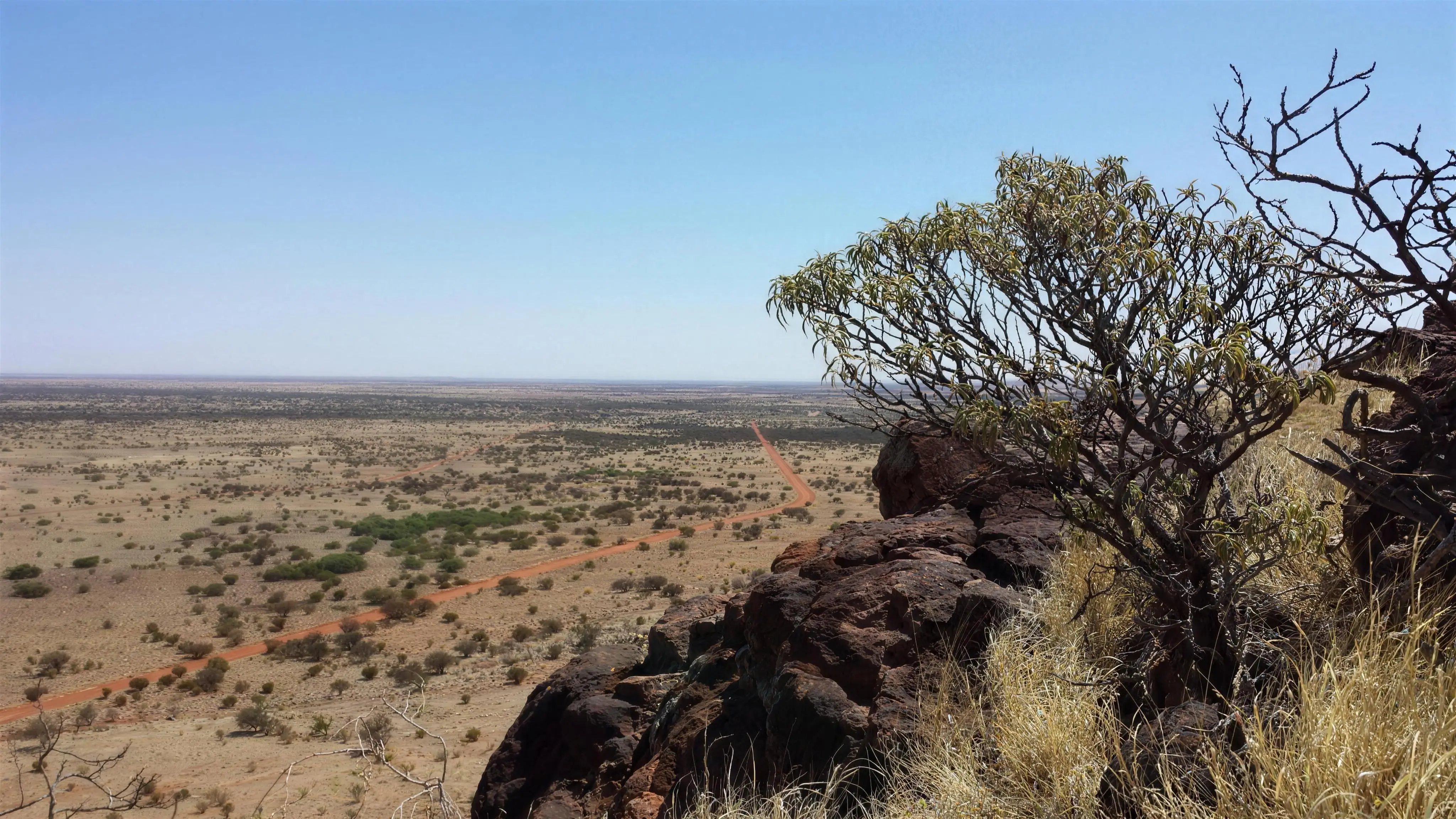
Pitjantjatjara Yankunytjatjara Media
Our story
From a video camera in Pukatja in 1982 to Radio 5NPY broadcasting from Umuwa today.
Photograph: PY Media
Where PY Media comes from
(https://pymedia.org.au/wp-content/uploads/2014/07/DSC_9973.jpg)PY Media (Pitjantjatjara Yankunytjattjara Media Incorporated) had its genesis in community television EVTV (https://pymedia.org.au/about/evtv/) (Ernabella Video and Television) in Pukatja (https://pymedia.org.au/communities/pukatja/) (Ernabella) in the early 1980s and the extensive sideband radio network which serviced the entire region from the late 1970s til early 1990s.
PY)
Umuwa was established in 1991 as the administrative centre of the South Australian Freehold Lands. The executive of the landholding body APY felt strongly the need for a specific organization to manage the burgeoning load of media issues and for that organization to be placed alongside central management. Thus PY Media was born and housed at Umuwa (https://pymedia.org.au/communities/umuwa/).
PY Media has played an historic role in the development of media and communication services in the region and has been the flagship of Indigenous media in Australia for several decades. It has recorded and broadcast thousands of hours of traditional dancing and singing and contemporary Anangu music; it has broadcast across the lands in Pitjantjatjara and Yankuntjatjara, the language of the people and has at the core of its charter ‘the arrestment of cultural and social disintegration using the broadcasting arts and sciences’ .
RADIO 5NPY (https://pymedia.org.au/radio/)
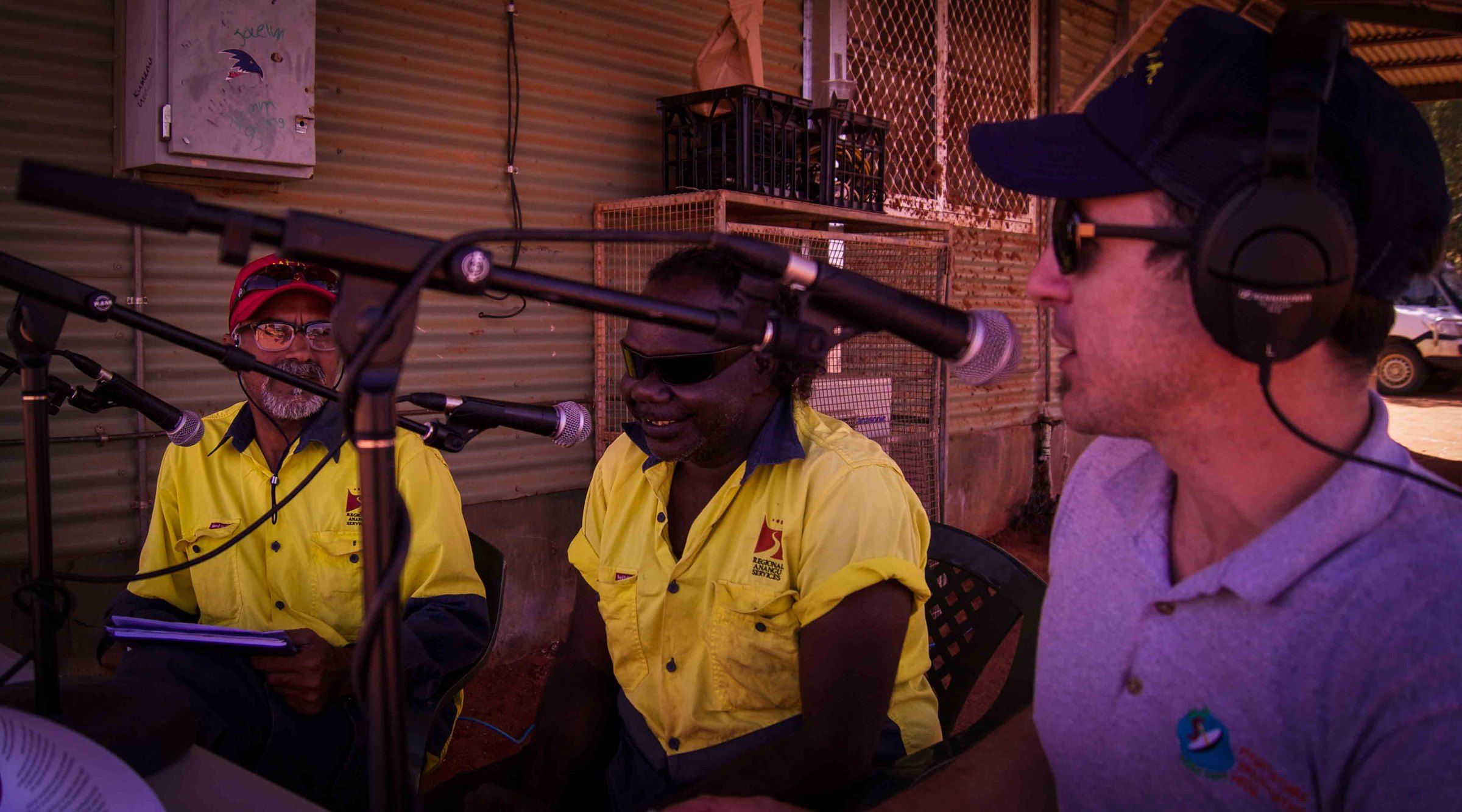
5NPY is the regional FM radio network on the APY Lands operating from Umuwa where the broadcast signal is sent to Alice Springs, uplinked to the Aussat satellite and beamed down to the six main communities on the Lands where it is retransmitted.
Anangu producers broadcast in the Pitjanjatjara or Yankunytjatjara languages. The priority in programming is to provide information and news services to the population
Text from the current PY Media website (2016-11-22), to be reviewed by PY Media. Read the full EVTV history, with the words of the people who made it, on the Watch page.
Four decades, in the words of the current website
- 1982
Rex Guthrie began using a video camera as an educational tool in Pukatja.
- 1983
Pirate television studios began operating in Pukatja (Ernabella) and Yuendumu (NT) using basic domestic video cameras to record community events. ‘Bush Medicine’ was the first production for EVTV.
- 1984–85
In November 1984 EVTV conducted its first test TV transmission and by April 1985 EVTV began regular television broadcasts.
- 1991
Umuwa was established in 1991 as the administrative centre of the South Australian Freehold Lands. Thus PY Media was born and housed at Umuwa.
- 1997
EVTV’s video cassettes went to the South Australia Museum in Adelaide in an effort to catalogue and stabilise the collection.
- 2016
PY Media was selected as the 2016 recipient of the Indigenous Remote Archival Fellowship (AIATSIS).
Each line is a sentence from the current PY Media website (About, EVTV, News). Dates and wording to be confirmed by PY Media.
The video archive and the language
PY Media has produced thousands of videos in the past 30 years. Many of these films are screened regularly on Indigenous Community Television (http://ictv.net.au).
PY Media is concerned with the maintenance of Pitjantjatjara as a living language and is actively supporting its preservation and promotion. With the ever widening gap between the language that is spoken by Elders to that spoken by the younger generation there is the potential for a language crisis in the not too distant future.
With approximately 3,000 Pitjantjatjara and Yankunytjatjara speakers, the need for concerted initiatives that promote and strengthen local language use should be of the highest priority. The video collection is a legacy passed on from Ernabella Video Television (EVTV), the name of PY Media prior to 1989. The video collection represents all of EVTV’s and PY Media’s recorded material from 1983 to 1996, approximately 3,000 hours of recorded material in the Pitjantjatjara and Yankunytjatjara languages.
Much of the material is extremely important and sensitive cultural material such as Inma (dance and song) and Tjukurpa (traditional storytelling and re-enactments of dreaming stories), oral histories, as well as traditional skills and knowledge programs such as Bush Medicine, Bush Food and making a Wiltja (traditional shelter).
Here is a recent film by Pin Rada and Alison Hunt, co-produced by The Department of the Prime Minister and Cabinet and Pitjantjatjara Yankunytjatjara Media which documents the activities of a camp run by senior Pitjantjatjara and Yankunytjatjara elders from Amata Community in the APY Lands who are trying to pass on their traditional culture to the children of their community.
Two-Way Learning at Happy Valley (https://vimeo.com/301126484) from PY Media (https://vimeo.com/user53162973) on Vimeo (https://vimeo.com).
Text from the current PY Media website (2019-05-31).
Board and staff
Regular meetings of the Board of PY Media take place every quarter with Board members travelling long distances to represent their community at Board meetings.
Regular meetings of the Board of PY Media take place every quarter with Board members travelling long distances to represent their community at Board meetings.
Board members:
-
Jacob McKenzie (Chairman)
-
Rogie Roberts
-
Michael (Tubby) Lang
-
Jamie Nyaningu
PY Media Manager
Liam Convey, RIBS Support Officer
Liam learnt about recording audio and video for bands and artist performing during 5 years spent teaching music within the Juvenile Justice System. He has spent a few years on the lands working with Women’s Council and Joined PY Media early 2020.
Text from the current PY Media website (Board 2016–2017, Staff 2020). Names and photographs stay only with the agreement of each person; current list to be confirmed by PY Media.